A Field Guide to Single-Origin Coffee
“Single origin” gets printed on a lot of bags without much explanation. It's simpler than it sounds, and once it clicks, coffee gets a lot more interesting.
What it means
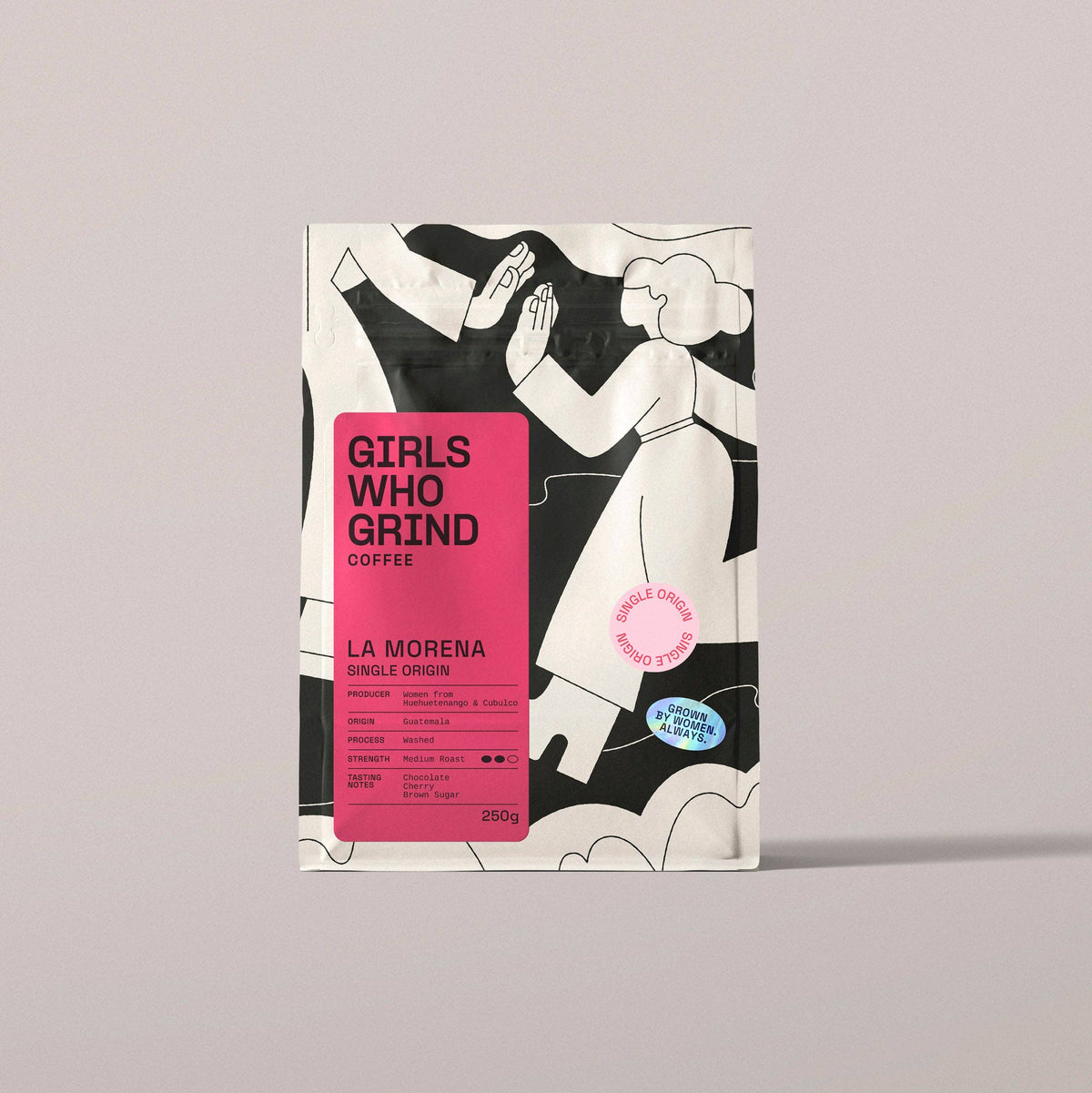
A blend mixes beans from different places to hit a consistent, reliable flavour — the house espresso that tastes the same every time. A single origin comes from one place: one country, often one region, sometimes one farm. You're tasting that specific spot — its soil, altitude, climate and processing. Like wine grapes, coffee tastes of where it grew; it's less consistent bag to bag, and that's the fun of it. Take the same plant across three countries and you get three completely different cups: a washed Guatemalan full of chocolate, cherry and brown sugar; a syrupy Peruvian of chocolate, blackberry and maple; and even a single-origin Mexican decaf that proves “no caffeine” needn't mean “no character.”
How to taste it
You don't need a special palate. Make it, take a sip, and just ask: more fruity or more chocolatey? Light or heavy? That's it. The tasting notes on the bag are a hint, not a test — nobody's marking you. Over a few weeks you'll start noticing the differences on your own, and that's when coffee stops being fuel and starts being interesting. Buy two different origins and drink them side by side one morning; it's the fastest way to teach your own tongue.
Featured in this article