How to Build a Morning Ritual That Survives Real Life
I don't trust a morning that starts with a screen. The first thing my phone wants to do is hand me everyone else's day — notifications, red dots, three apps all sure their thing is the most urgent thing. Let it, and I've spent my first hour reacting; and a morning spent reacting tends to become a day spent reacting.
So a while back I stopped reading about morning routines and just fixed mine. Most of the advice is a bit much — a twelve-step stack, an app to track the app that tracks your habits. That's not a ritual, it's a second job. A morning ritual should ask less of you, not more.
Start with one thing you look forward to
A ritual you dread is just a chore with better branding. So begin with the nicest part of the morning: a drink you make slowly and on purpose. The making is the point — measuring, waiting, watching it happen — a few minutes where your hands are busy and your phone isn't. On the mornings I want to feel settled rather than wired I'll reach for a calmer coffee; if you'd rather slow right down, tea is even better, because a clear glass infuser turns watching the leaves open into a proper substitute for reaching for the feed.
Keep it small enough to survive a bad day
This is where most routines fall down — they're built for the perfect morning, the one where you woke early and nobody needs anything. Real mornings aren't like that. So mine has a minimum: the smallest version I'll still do on the worst day. Make the drink, write three lines, sit for two minutes. On good days it grows; on bad days it holds. The three lines matter more than they sound — I've always found writing things down helps me actually tackle them rather than carry them around. It needn't be journaling with a capital J; just what today's about and anything that's nagging, on paper, in a notebook that lies flat, not an app that'll ping you back later.
Protect it from the noise
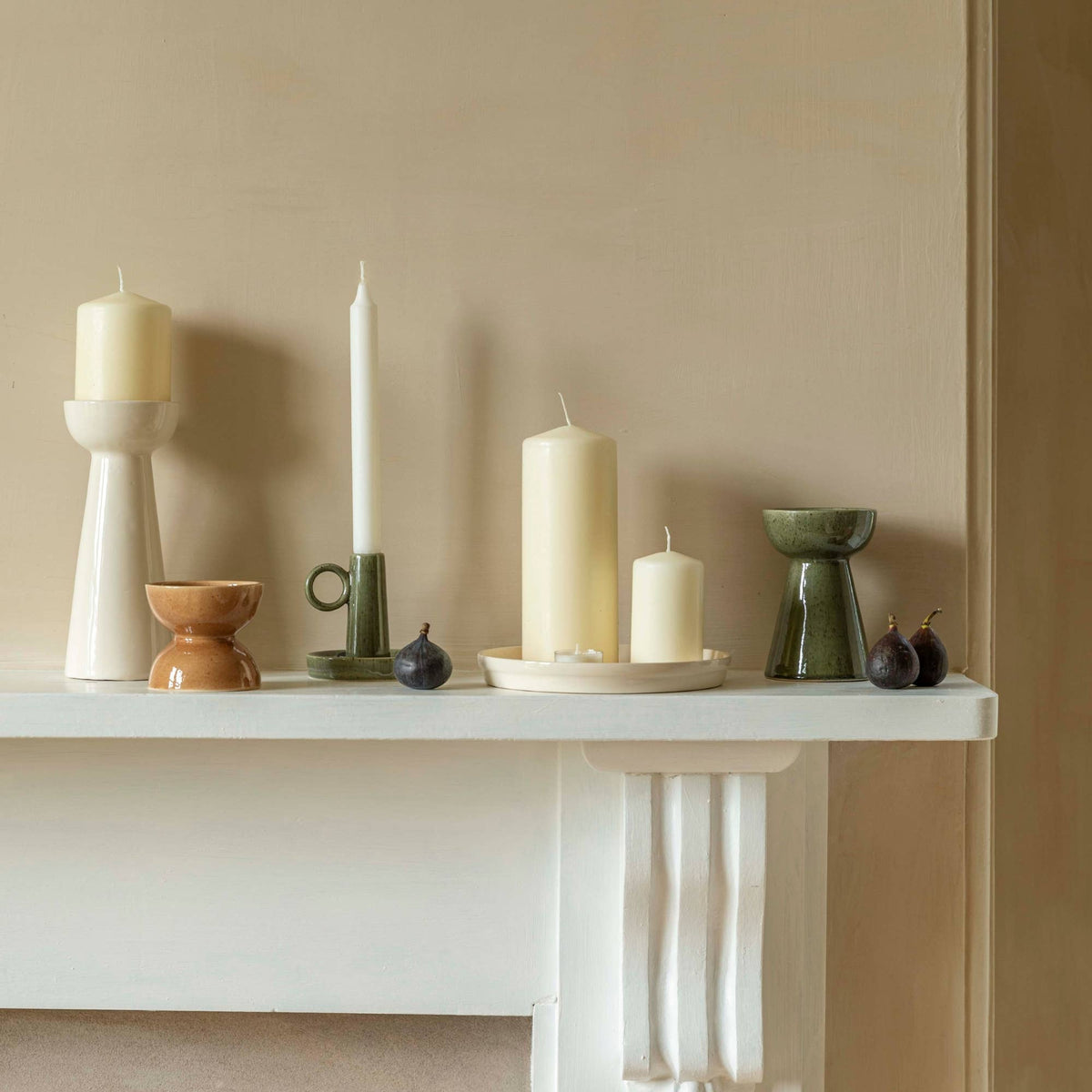
The honest bit: none of this works if the phone's on the table. It doesn't matter how nice the mug is — the phone wins. So the rule I actually keep is dull and simple: it stays in another room until the ritual's done. And in the evening I light a candle as a quiet signal that the reacting part of the day is over.
The point isn't the stuff
I'll be straight, because it'd be rich to end a shop's article any other way: you don't need any of this to have a good morning. The objects aren't the ritual. But the right one makes the ritual easier to keep — the way a good notebook gets used and a bad one gathers dust. Start with one small thing tomorrow: make a drink slowly, before you touch the phone, and see how the day goes from there.
Featured in this article