Reactive Glazes and Handmade Ceramics: Why No Two Are Alike
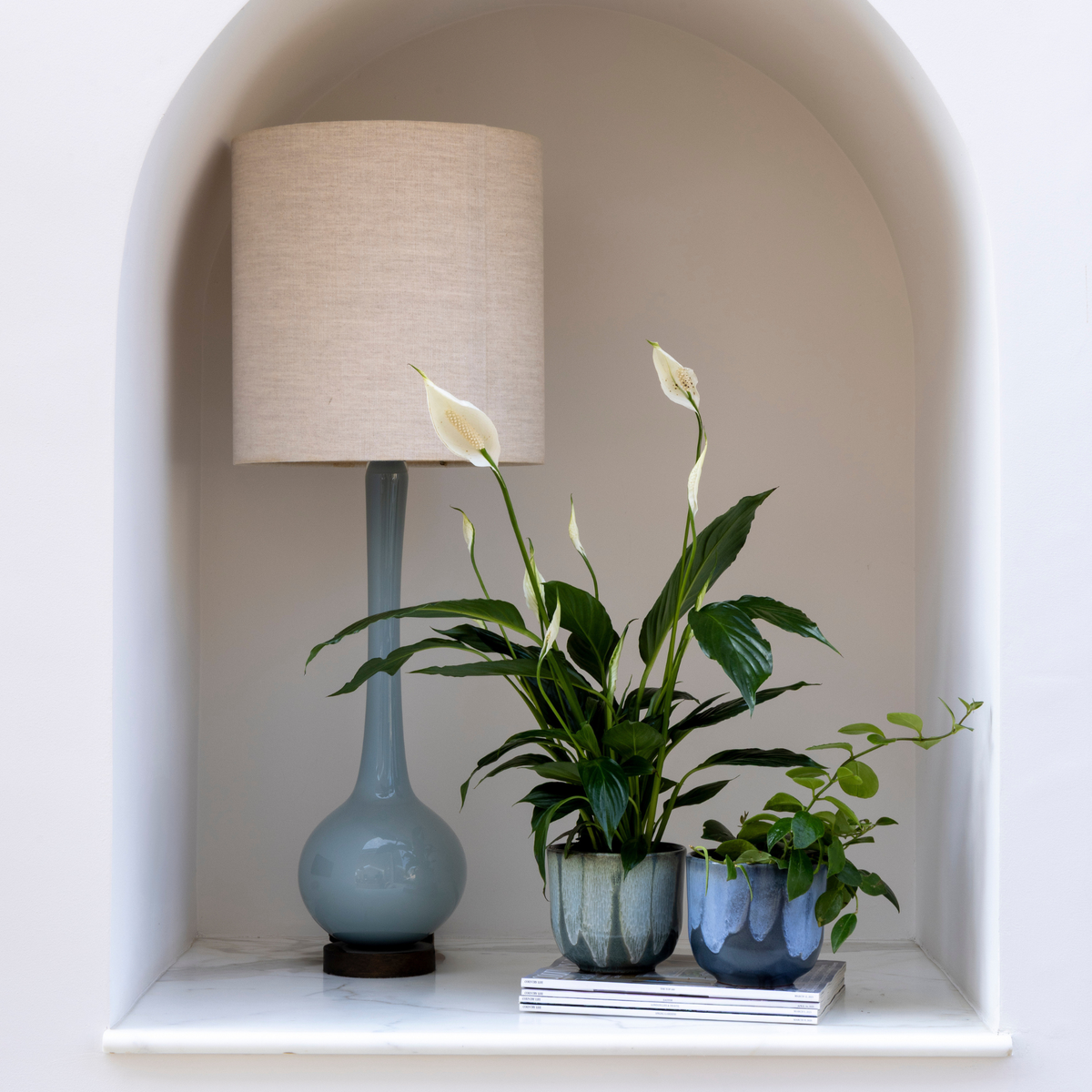
Buy a mass-produced mug and every one is identical. Buy something with a reactive glaze and no two are the same — one has a pool of deeper colour where the glaze ran, another a spray of speckles, the edge fading differently on each. To some people that reads as “flawed.” I'd argue it's the whole point.
What a reactive glaze actually is
Without getting too technical: a reactive glaze contains minerals that respond unpredictably to the heat of the kiln. The maker sets it going, but the fire finishes it — so the exact pattern is decided in the kiln, not on a spec sheet. That's why a drip-glaze planter or a compact cacti pot is genuinely one of a kind. You own the only one that came out exactly like that.
The same goes for stoneware
It isn't only glazes. Speckled stoneware carries flecks and tonal shifts from the clay itself, and a matte hand-finished surface feels alive in a way a factory gloss never does. You notice it most in the things you hold every day — a speckled stoneware cup, a slightly uneven infuser mug, a little glazed dish.
Why imperfect feels better
There's an idea in Japanese aesthetics — wabi-sabi — that beauty lives in the imperfect and the impermanent. You don't need the philosophy to feel it. A handmade piece just feels warmer to live with than something flawless and anonymous; it looks made by a person, for a person. In a home full of identical, mass-produced things, one object with a bit of character does a lot of quiet work.
Featured in this article