Whole Bean vs Ground: What Actually Changes in the Cup
Every coffee article eventually tells you to buy a grinder. Let me be more honest: grinding at home is genuinely better, but it isn't magic, and there are good reasons to buy ground. Here's what actually changes in the cup, so you can decide for yourself.
What grinding fresh actually does
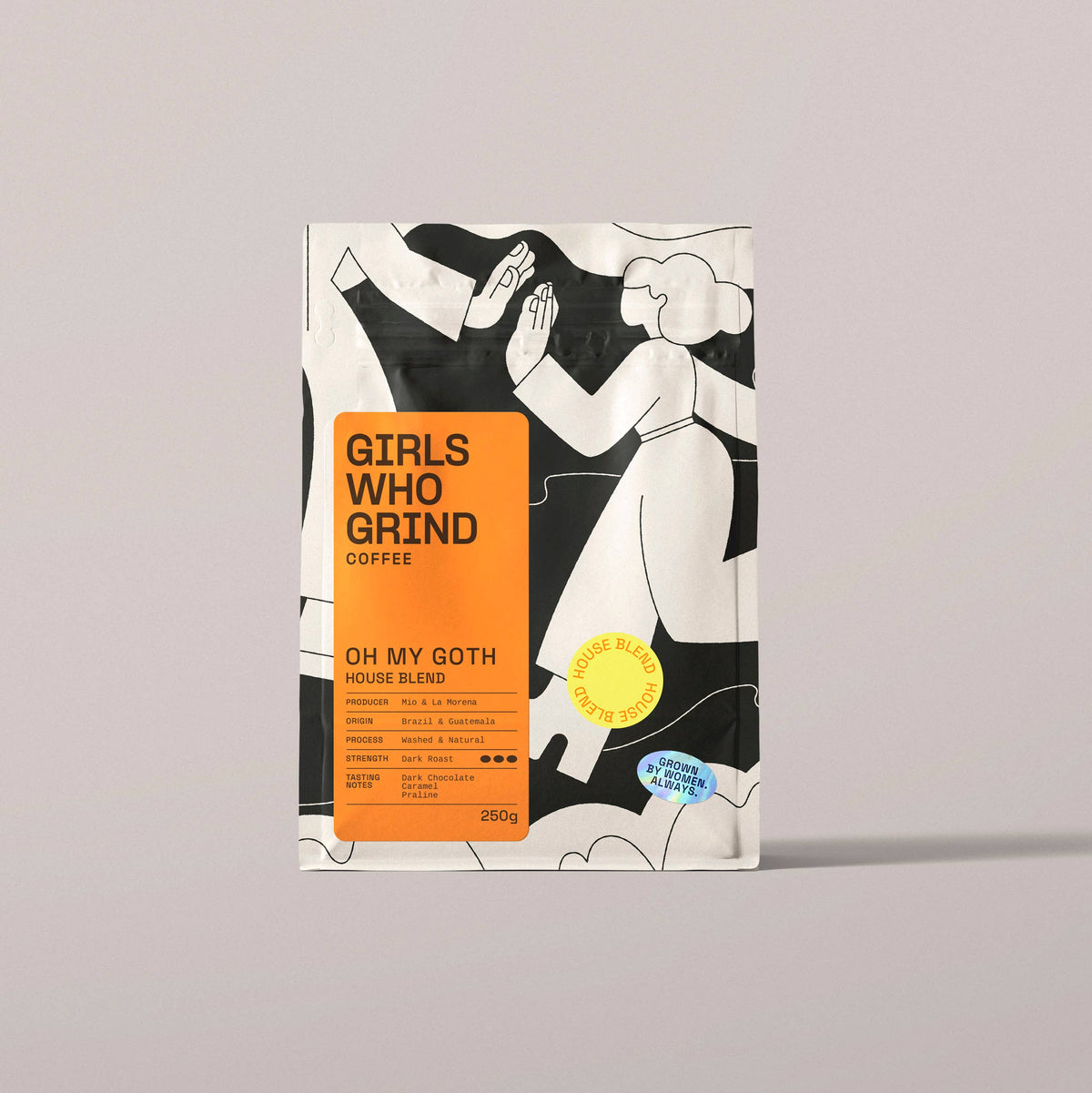
Coffee starts losing its best flavours the moment it's ground — not over weeks, over minutes. All that surface area meets air, and the delicate, aromatic stuff fades first. Grind just before you brew and you keep it. It's real, and most noticeable in a lighter, aromatic coffee. It's also where a concentrated dark-roast espresso blend really rewards the effort.
When ground is the smarter choice
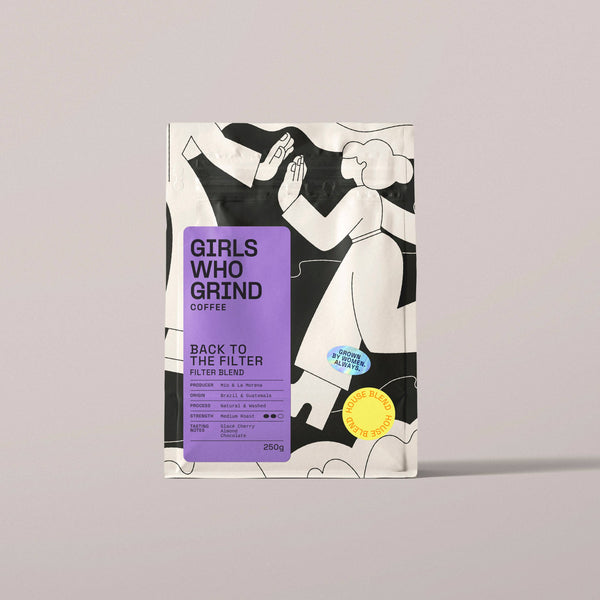
Here's the part most coffee snobs skip: if buying whole bean means you'll faff about, get frustrated and go back to instant, then ground is better. The best coffee is the one you'll actually make. A good roaster grinds to order for your method, so it's fresh when it's bagged and you skip the gadget entirely — which is exactly how I'd drink a no-fuss filter blend in the morning.
The single-origin exception
If you're drinking a single origin for its specific flavours — the cherry in a Guatemalan, say — fresh grinding lets more of that character through. It's the one case where I'd nudge you toward whole bean if you can.
So, which?
If you'll enjoy the ritual and keep it up, buy whole bean and grind fresh — start with an everyday espresso blend. If you want great coffee with zero fuss, buy it ground-to-order from a roaster who knows what they're doing. Both are miles ahead of a stale tub of supermarket dust. That's the real upgrade.
Featured in this article